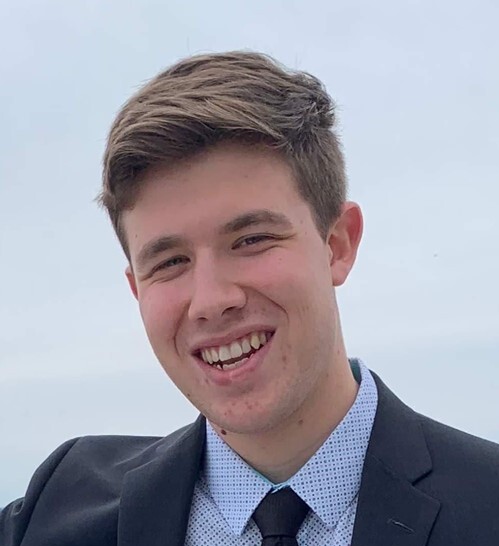
I’m a Post-doctoral fellow where I originally joined as a master’s student in the department of medical biophysics at the University of Toronto, where I also received my undergraduate education in neurobiology and chemistry. Prior to my graduate work, my research experience (and interest) has spanned the intricacies of biological chemistry kinetics to DTI tractography/diffusivity analysis in paediatric Obsessive-Compulsive Disorder. I have had the privilege of being granted numerous academic scholarships for my undergraduate work. Outside of academia, I am a passionate singer/songwriter and guitarist, teacher and tutor, CrossFit enthusiast, and camp volunteer. I am very excited to work on clinical fMRI analysis with Dr. Uludag at BRAIN-TO.
Quantitative Perfusion Imaging with Dynamic Susceptibility Hypoxia Contrast. Visualizing blood flow in the brain is essential in the effective diagnosis, prognosis, and surgical mapping of neurological disorders, including cancer, neurovascular complication, and neurodegenerative disease. Dynamic susceptibility contrast (DSC) has proven to be an effective magnetic resonance imaging (MRI) technique for gaining qualitative and quantitative insight into blood flow in the brain (perfusion). A limitation to the DSC method is the use of an exogenous contrast agent, gadolinium, which has been known to accumulate in the brain and bones, and is associated with the development of nephrogenic systemic fibrosis in individuals with renal disease; thus, a further limitation to gadolinium contrast is an inability to image repeatedly within a relatively short time frame in such patients. Successive imaging is often critical for characterizing neurovascular impairment. A potential method to bypass gadolinium’s limitations comes in the form of a ‘gas challenge,’ a novel method which yields contrast by exploiting the inherent magnetic properties of oxygen’s carrier protein, hemoglobin. The gas challenge generates contrast by briefly and safely decreasing the oxygen content (temporary hypoxia), thereby increasing the concentration of deoxygenated hemoglobin (dHb). Since dHb is a paramagnetic substance capable of strengthening the local magnetic field in and around the blood vessels, the hypoxia model may produce a contrast for perfusion imaging.
The ultimate goal of my work is to determine the clinical efficacy of the hypoxia model as a safe alternative to gadolinium in DSC-MRI—to my knowledge, the first study of its kind. If validated, future work has the potential to benefit from and further explore this hypoxic model in applications of safer clinical imaging research and practice.