Brain Research in Advanced Imaging and Neuromodeling - Toronto
The BRAIN-TO lab (“Brain Research in Advanced Imaging and Neuromodeling – Toronto”) led by Prof. Dr. Kâmil Uludağ pushes the limits of Magnetic Resonance Imaging (MRI) for clinical research and cognitive neuroscience in humans.
We strive to make the invisible visible using cutting-edge MRI techniques, unfolding its potential to deliver imaging-based biomarkers to diagnose, prognose and monitor brain and spine pathologies. In particular, we currently work on improving image fidelity, accelerating data acquisition and developing new tissue contrasts – thereby increasing the diagnostic value of MRI, patient throughput and reducing patient discomfort.
A second pillar of the research of the BRAIN-TO lab is to develop novel approaches to characterize distributed brain activation using advanced statistical methods and neuroscience-inspired artificial intelligence. Discovering fundamental principles or brain organization in healthy subjects and patient populations promises to ignite a revolution, allowing diagnosing diseases – on an individual basis – in pre-symptomatic stages and developing novel therapies & interventions.
In addition, we optimize image acquisition for clinical questions and advise clinical research groups on data analysis. We collaborate extensively with clinical groups to translate cutting-edge MRI acquisition and analysis into clinical practice.
Highlights

Our Research
Our recent publications cover a wide range of topics in neuroimaging, from novel MRI techniques to advanced data analysis methods.
Our Projects
The BRAIN-TO Lab strives for advancing our understanding of the human brain by research in three core areas: MR Physics, Artificial Intelligence (AI) & Cognitive Neuroscience, and Clinical Applications.

Our Team
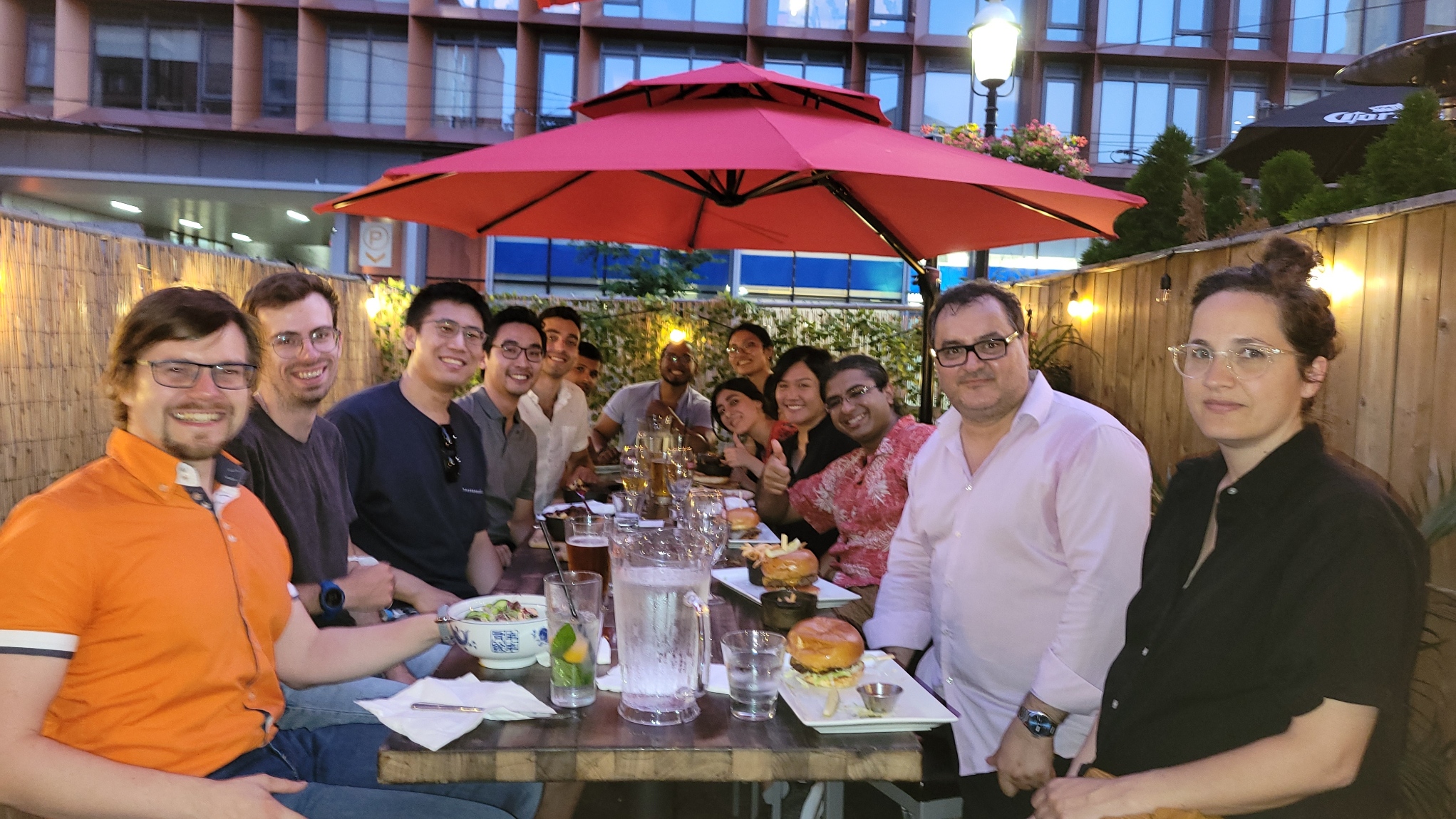
We are a multidisciplinary team of researchers, engineers, and clinicians dedicated to advancing the field of neuroimaging and improving patient care.